



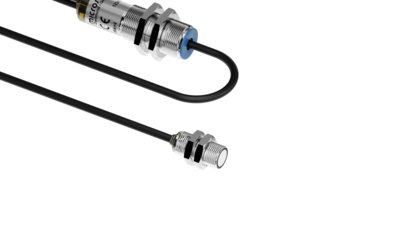
esp-4

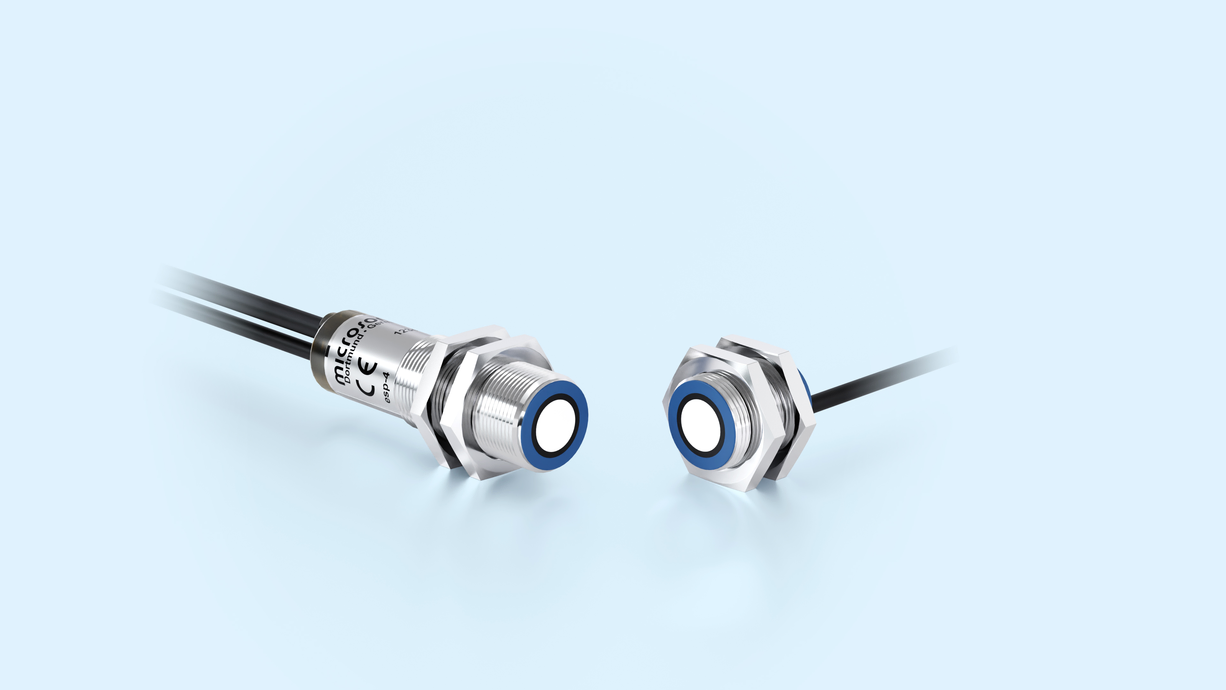
Label and splice sensor compact in a single unit, optionally with M12 sensor heads.

출력:
  • Symbolische Darstellung 2 Schaltausgänge
Threaded sleeve:

하이라이트

  • 3 Teach-in methods to be able to configure the sensor individually for any task
  • Response time < 300 μs for use at high web and label speeds
  • QuickTeach simplified Teach-in process
  • Splice detection even for thick band materials
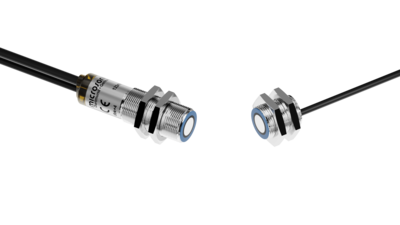
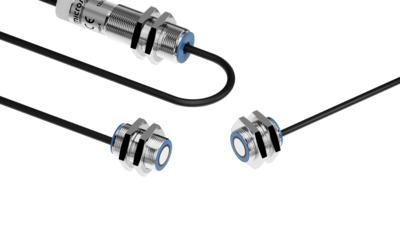
  • Variants with very compact transmitters and receivers in the M12 threaded sleeve

기본 사항

  • Label and splice sensor in a single unit
  • 2 switching outputs for label/splice detection and web break monitoring
  • LinkControl as optional assistance for installation and commissioning

Sensor matrix

The sensor matrix gives an overview of the entire sensor family. Make your choice based on housing variants and sensor compentents and click in the matrix.

하나의 기계에서 라벨과 스플라이스 센서

리시버는 이러한 음파를 받고 그것을 분석합니다. 받쳐주는 재질의 신호 레벨은 라벨 또는 꼬아있는 재질에 따라 차이를 가지고 있습니다. 이러한 신호에서의 차이점은 esp-4 에 따라 분석 되엇습니다, 받혀주는 재질과 꼬여있는 재질 사이에서 차이를 가지고 sheeting 과. 것에서 매우 경비하게 차이를 가지고 있습니다. 차이점에서 확실히 증명할 수 있는 것은 esp4 센서는 반드시 받쳐주는 재질 /sheeting 의 신호 레벨 근처에서 우선 회전 하여야 합니다.

esp-4센서들은 라벨과 스플라이스 센서를 이용하여 사용될 수 있습니다. 3가지의 티치-인 방법은 각 배열에 최적화되어 설정되기 위하여 esp-4 센서를 제한 하여야 합니다.

Trägermaterial mit Etikett liefert einen abgeschwächten Signalpegel
레이블이있는 자료를 백업 감쇠 신호 레벨을 생산하고 있습니다.

The esp-4 sensors can be used as a label and splice sensor. The 3 Teach-in methods and QuickTeach allow the esp-4 sensor to be optimally set for each and every assignment.

받혀있는 재질과 라벨에 대한 다이나믹 티치-인

다이나믹 티치-인은 머신에서 받혀있는 재질과 라벨에 대하여 분류하여 거동하기 위한 티치-인 모드를 제공하지 않습니다. 티치-인 동안 라벨을 받치고 있는 재질은 esp-4 센서를 통하여 지속적인 속도로 리드하여 나갑니다. Esp-4센서는 자동적으로 라벨에 대하여 그리고 그것들의 차이에 대하여 신호 레벨의 티치-인을 주된 목적으로 하고 있습니다. 이러한 티치-인 방법은 역시 셀로판지를 찢어 여는 형태에서 티치0인 하기에 적절합니다. 여기서 티치-인 동안 셀로판지를 찢어 여는 끈 같은 것은 센서를 통하여 상당한 수가 이동되게 됩니다. 셀로판 필름과 찢어 오픈하는 끈 사이의 변화를 측정하기에 esp-4가 적절합니다.

Backing material with label provides an attenuated signal level
esp-4 as a label sensor
Illustration vom esp-4 als Fadensensor
esp-4 as a thread sensor

받혀지는 재질과 라벨에 대한 분리된 티치-인

받혀지는 재질과 라벨에 대한 신호 레벨의 차이는 매우 근소합니다. 순서에 따라 신호에 있어 매우 작은 차이들로 라벨들을 검출할 때 신호 레벨에 대한 티치-인은 분리될 수 있습니다.: 티치-인은 무엇보다 받혀있는 재질에 동작하고 그 이후에 라벨에 작용하게 되어 있습니다. 스위칭 시작점은 이러한 2개의 신호 레벨 사이에 위치 하여야 합니다.

오직 종이에 대한 티치인

Sheeting은 일반적으로 롤에 감겨 작업과정이 이루어 집니다. 그렇다면 꼬여 있는 것들은 esp-4를 통하여 설정되어 검출 될 수 있는데 이러한 것들은 롤에 접속하여 이루어 지지 않습니다. 분리된 티치-인 방법은 여기서 sheeting에 오직 적용될 수 있는 티치-인 방법 입니다. 그러나 요구할 수 있는 것은 꼬여있는 것들이 신호 레벨을 나타내 주는데 sheeting 중의 다양한 상황에서 보다 명확하게 나타내 줄 수 있습니다. esp-4 는 음향 레벨과 출력 값의 설정에 의하여 이러한 차이로부터 꼬여진 것들을 검출합니다.

Illustration vom esp-4 als Spleißsensor
esp-4 as a splice sensor

QuickTeach

The esp-4 learns the material as long as signal level is applied to C1.

With LinkControl

the esp-4 can optionally be parameterised. Measured values can also be shown grafically.

Two housing designs with different ultrasonic frequencies

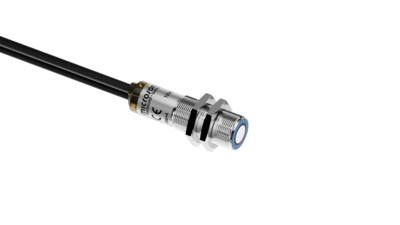
The esp-4/3CDD/M18 E+S and esp-4/3BEE/M18 as a receiving transducer integrated directly into the evaluation electronics is typically used for the detection of splices in thick sheetings.

The esp-4/M12/3CDD/M18 E+S has an external receiving transducer. The transmitter and receiver are each housed in M12 threaded sleeves. The variant with M12 sensor heads is preferred for the detection of labels.

특별한 요구 사항이 있습니까?

우리와 함께, 당신은 개별 솔루션을 쉽게 찾을 수 있습니다. 이것처럼 간단한 일은 없습니다.

당신의 어플리케이션에 대하여 말씀해 주십시오: +49 231 97 51 51-82.

Foto mit einem Mann mit einem freundlichen Lächeln und direktem Blick. Er trägt ein Headset.