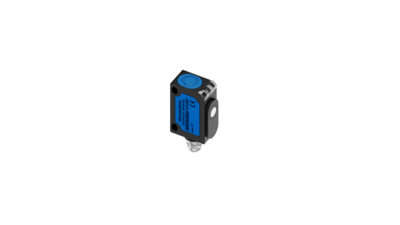
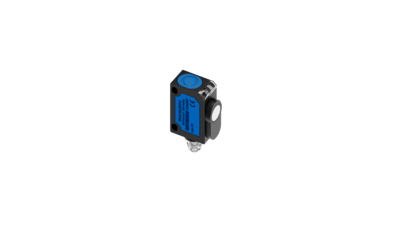
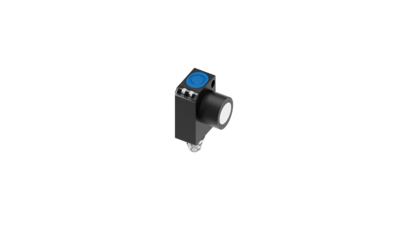
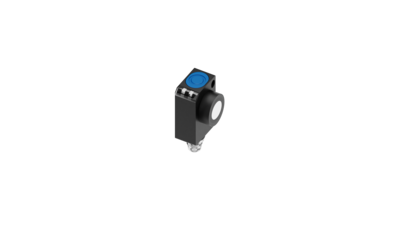
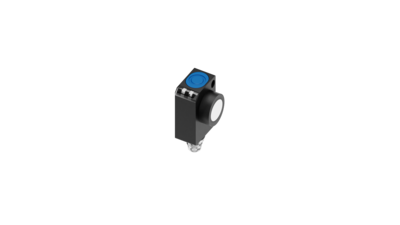
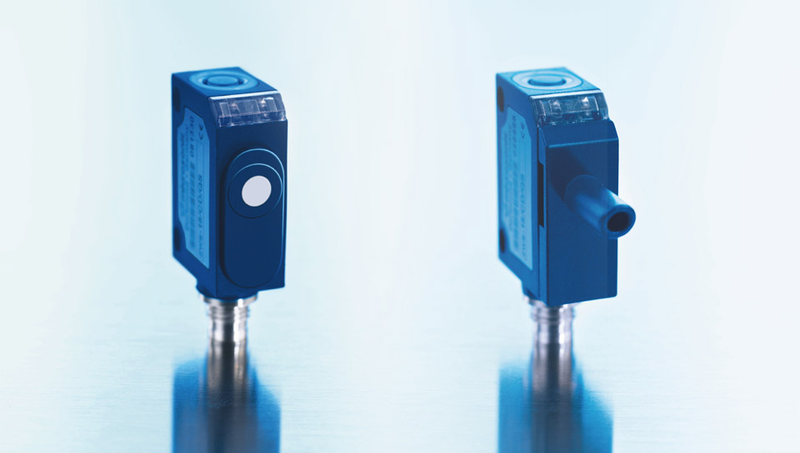
The miniature sensor housing
of the zws-15 has dimensions of 20 mm x 32 mm x 12 mm. The housing’s design and mounting is compatible with many optical sensors. This facilitates the conversion to ultrasonic sensors for critical applications.
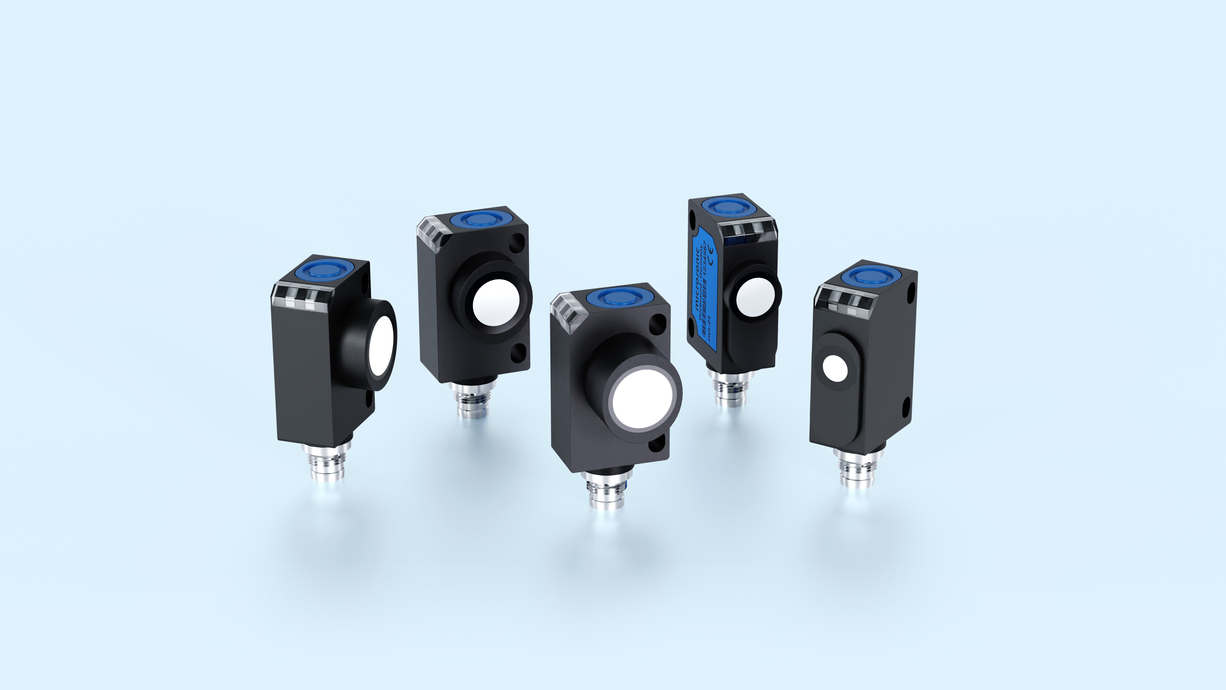
The zws sensors featuring a cubical housing and a Teach-in button are among the market's smallest available ultrasonic sensors.
 0.15 m
 0.24 m
 0.25 m
 0.35 m
 0.7 m
0.7 m

The sensor matrix gives an overview of standard sensors from zws family. Make your choice based on operating range and available outputs and click in the matrix.
0.15 m0.24 m0.25 m0.35 m0.70 m

of the zws-15 has dimensions of 20 mm x 32 mm x 12 mm. The housing’s design and mounting is compatible with many optical sensors. This facilitates the conversion to ultrasonic sensors for critical applications.
on the top facilitates the convenient setting of the sensor.
in the sensor housing’s upper half indicate the switching output and respectively the analogue output states.
profits from a significant improvement. The sensors reach their operating point only 45 seconds after switching on operating voltage.
2 output versions and 6 detection ranges are available:
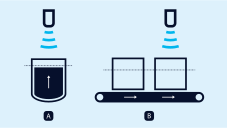
1 switching output, optionally in pnp or npn circuitry1 analogue output 4–20 mA or 0–10 Vis suitable for applications, in which the actual distance to the object is also the switching point. A typical application is level control, where the ultrasonic sensor detects the filling level vertically from above during the filling process. The taught switching point corresponds to the maximum filling level.
is recommended by objects, which move into the detection area from the side. In this case the switching distance is set 8 % further than the actual measured distance to the object. This ensures a reliable switching distance even if the height of the objects varies slightly.
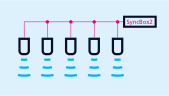
If two switching zws sensors are operating too close to one another, twin mode can be selected to avoid mutual influences. This new feature is integrated in zws sensors from firmware V3.
If more than two zws sensors need to be synchronised, the accessory SyncBox2 can be used. The SyncBox2 generates a synchronisation signal output on pin 2. This permits up to 50 zws sensors to be autonomously synchronised.
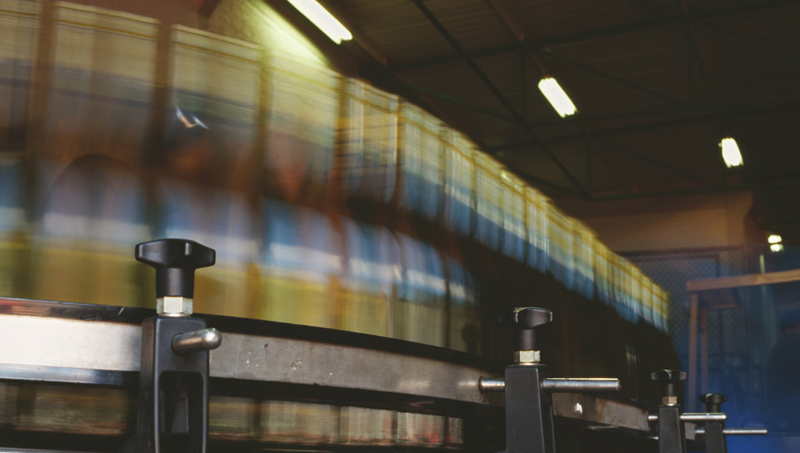
At a maximum detection range of 100 mm, the zws-7 can achieve a switching frequency of 250 Hz. This allows both detection of objects with a high counting frequency and extremely narrow gaps between two objects at fast machinery speeds. The zws-7 responds under 3 ms. Additionally fitting the new SoundPipe zws1 (Accessories) to the zws-7 markedly raises the power to detect narrow gaps between two objects at high machine speeds.
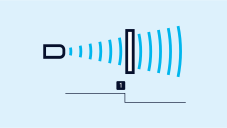
with a fixed reflector can be set up with the help of a permanently mounted reflector by mounting the zws sensor and the reflector, then pressing the button for approx. 3 seconds and then pressing it once more for approx. 10 seconds. Now, the two-way reflective barrier has been set.

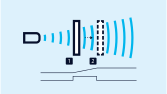
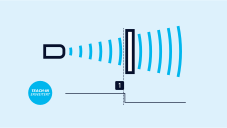
by initially positioning the object to be detected on the sensor-close window limit (1), pressing the button for approx. 3 seconds, shifting the object to the sensor-distant window limit (2) and pressing the button once more for approx. 1 second. Ready.
with two detection points on a single switching output, the procedure is the same as setting the analogue.
and rising/falling analogue characteristic curve can also be set using the push-button.
The SoundPipe zws1 (Accessories) can be used with any zws-15 or zws-7 sensor. It directs sound to the measuring point thus allowing measurements to be taken in drill holes and openings with diameters under 5 mm. Measurement can be carried out directly before the sound exit opening, since the blind zone is inside the SoundPipe.
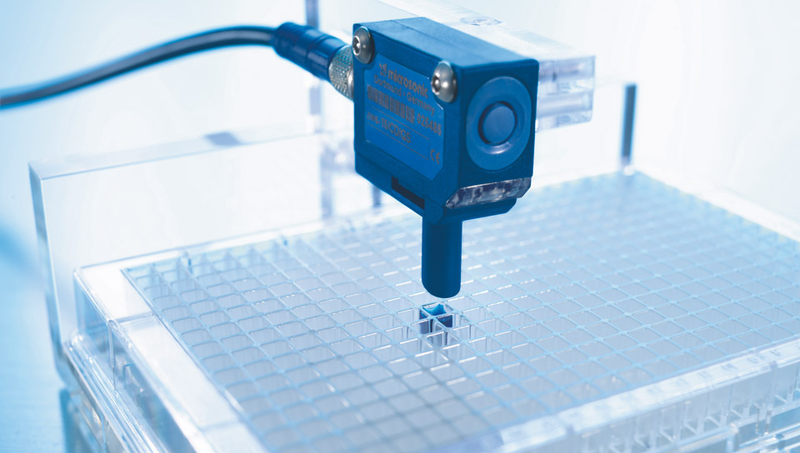
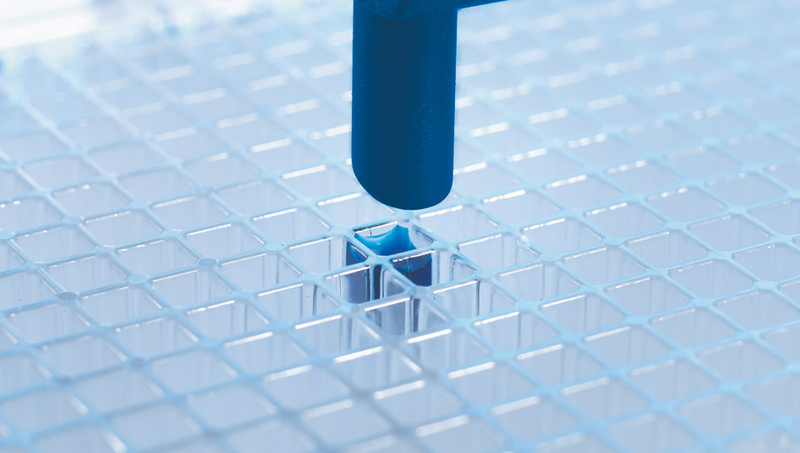
The SoundPipe zws1 is attached to the front of the zws-15 or zws-7 sensor. A typical field of application is measuring levels in microplate wells which are used in medical analysis technology. The SoundPipe zws1 can be directly placed over the opening; this makes exact positioning that much easier. The attachment can also be used in scanning gaps of only a few millimetres in width between two objects.
The zws sensors are ideal for probing of circuit boards and wafers in the electronic industry or for use in packaging machines in which high-transparency films must be detected.
With us, you can easily find an individual solution. Let us talk about your application: +49 231 97 51 51-82.